
The FTP System in Practice: Benefits, Trade-offs and Lessons Learned
Insights and recommendations from The Halo Project's implementation of AI-enabled trapping
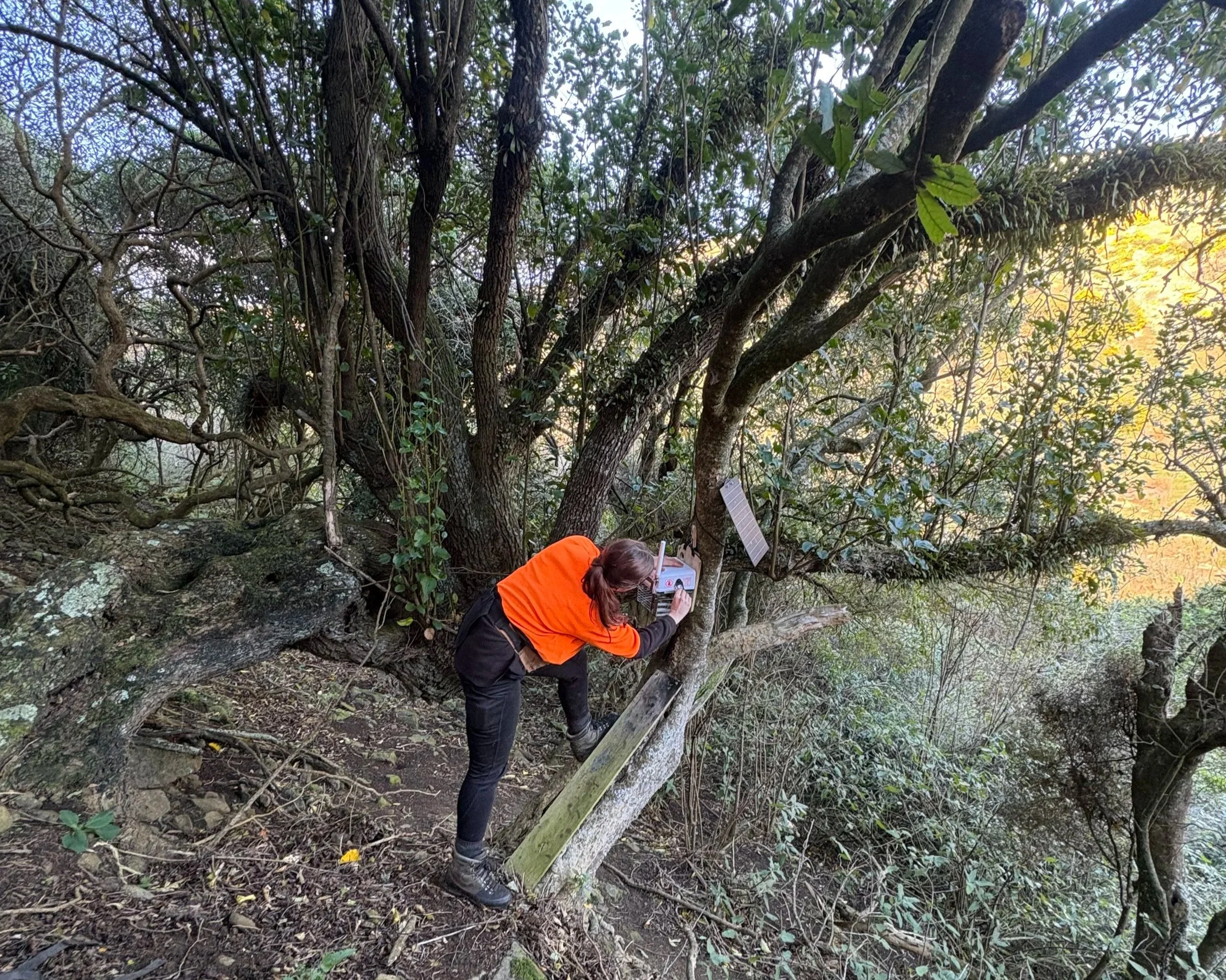
A Halo Project ranger checks an FTP enabled trap. Photo by The Halo Project.
Effective predator control is essential for protecting native wildlife. But what happens when the tools used to control predators can also put native species at risk?
That challenge led Predator Free Dunedin’s Halo Project to trial AI-enabled trapping technology developed by FTP Solutions. Between 2023 and 2025, the project tested and implemented a system designed to identify animals approaching a trap and provide an additional safeguard against non-target captures.
As one of the earliest operational deployments of the FTP system in Aotearoa / New Zealand, the project provided valuable real-world insights into its safety, effectiveness and practical application. This project summary captures the journey, outcomes, challenges and trade-offs, alongside lessons and recommendations for other predator control programmes considering AI-enabled trapping.
A more detailed report, including additional technical information, budget details, project history and supporting material, is available on request from Predator Free Dunedin