
Predator Free Dunedin welcomes $3.9 million investment
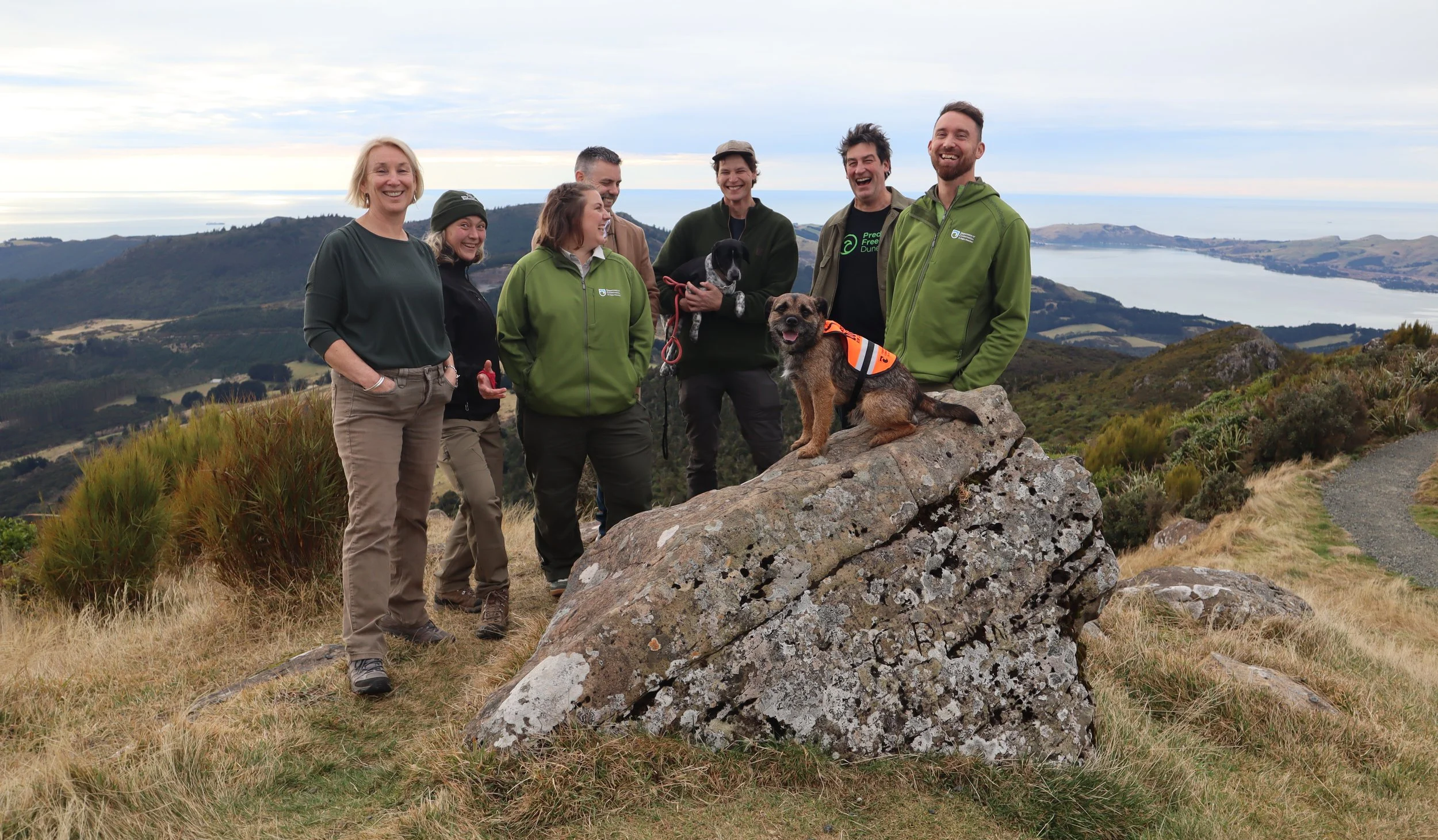
From L to R: Sally Peart - Chair, Predator Free Dunedin Trust; Kate Tanner - Project Manager, City Sanctuary; Sam Marsh – Principal Ranger Coastal Otago District, Department of Conservation; Heath Ellis - Group Manager Parks and Recreation, Dunedin City Council; Jonah Kitto-Verhoef - Predator Free Project Manager (holding Pepper, mustelid scat detection dog), The Halo Project; Scout - possum scat detection dog; Rhys Millar - Project Lead, Predator Free Dunedin; Gabe Davies - Operations Manager Coastal Otago District, Department of Conservation. Photo: R Olsen
Media Release
Wednesday 29 July 2026 - FOR IMMEDIATE RELEASE
Issued by Predator Free Dunedin
Dunedin chosen to help test the future of Predator Free 2050
Predator Free Dunedin (PFD) has welcomed a $3.9 million investment from the Department of Conservation (DOC), delivered over three years, to advance its predator elimination programme, support Predator Free 2050 goals and test approaches that can benefit conservation efforts across New Zealand.
The investment will enable Predator Free Dunedin to focus on eliminating feral cats, stoats and possums across a connected coastal and rural landscape stretching from Port Chalmers to Orokonui Ecosanctuary, out towards Aramoana Peninsula and north to the Blueskin Bay area.
It will also underpin the continued maintenance of the possum‑free status of Otago Peninsula by strengthening local biosecurity, enhancing detection and monitoring, and supporting rapid response when new predator incursions occur.
Together, these activities will protect existing gains and provide a practical test of how predator elimination can be achieved and sustained across real‑world landscapes where communities, farmland and conservation areas meet.
Predator Free Dunedin’s progress has always been built on the strong support and commitment of Ōtepoti/Dunedin residents - from backyard trapping and trapline volunteers to action in communities, on private properties and across the wider landscape. That momentum has helped create the conditions for this next phase of work, and this funding will allow it to continue in key project areas. The result is a programme that is both locally grounded and nationally relevant.
DOC’s investment reflects confidence in Predator Free Dunedin’s ability to deliver conservation outcomes at meaningful scale while generating knowledge that can support Predator Free 2050 initiatives elsewhere in Aotearoa. Predator Free Dunedin will work closely with DOC on the delivery of the programme and ensure lessons and results are shared with other Predator Free projects.
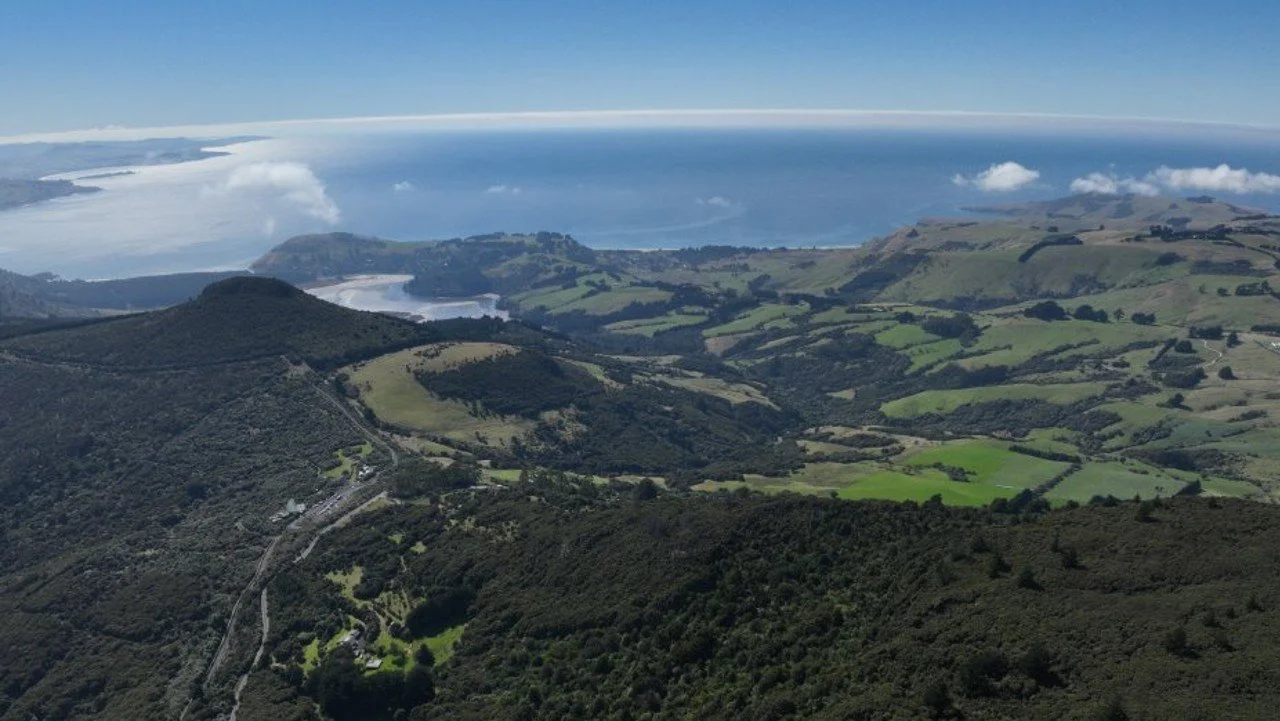
Photo: PFD
A nationally significant programme
Sally Peart, Chairperson of Predator Free Dunedin Trust, said the investment was a significant vote of confidence in PFD’s role within the national Predator Free 2050 movement.
“Predator Free Dunedin is more than a local conservation project. This investment will allow us to test and demonstrate approaches that could help accelerate predator elimination efforts elsewhere in New Zealand.”
“The Otago Peninsula has shown what long‑term commitment, community support and innovation can achieve. This funding allows us to build on that experience and test how those lessons can be applied across a larger, more complex landscape.”
Partnership will remain central to the programme, with Kāti Huirapa Rūnaka ki Puketeraki and Te Rūnaka o Ōtākou, communities, landowners, volunteers, DOC and partner organisations continuing to play a key role in shaping and delivering its success. Predator Free Dunedin's success also relies on long-standing support from local partners, including Dunedin City Council, whose involvement through City Sanctuary helps enable predator control activity across public land and communities across Dunedin's urban areas.
PFD Project Lead Rhys Millar said the value of the investment extended beyond the biodiversity outcomes achieved in Dunedin.
“We’ll be testing, measuring and refining our approach so that the evidence and learning from this investment can benefit projects around the motu working towards Predator Free 2050.”
“Success will be measured not only by the conservation gains we achieve here in Dunedin, but by the practical knowledge, partnerships and systems we can share with others working towards a predator‑free future for New Zealand.”
About Predator Free Dunedin
Predator Free Dunedin is a collaborative conservation programme working to eliminate introduced mammalian predators across Dunedin and restore thriving habitats for native wildlife. The programme brings together communities, mana whenua, landowners, researchers, councils, conservation organisations and funders to support the goals of Predator Free 2050.
ENDS