
Otago Peninsula officially declared possum free
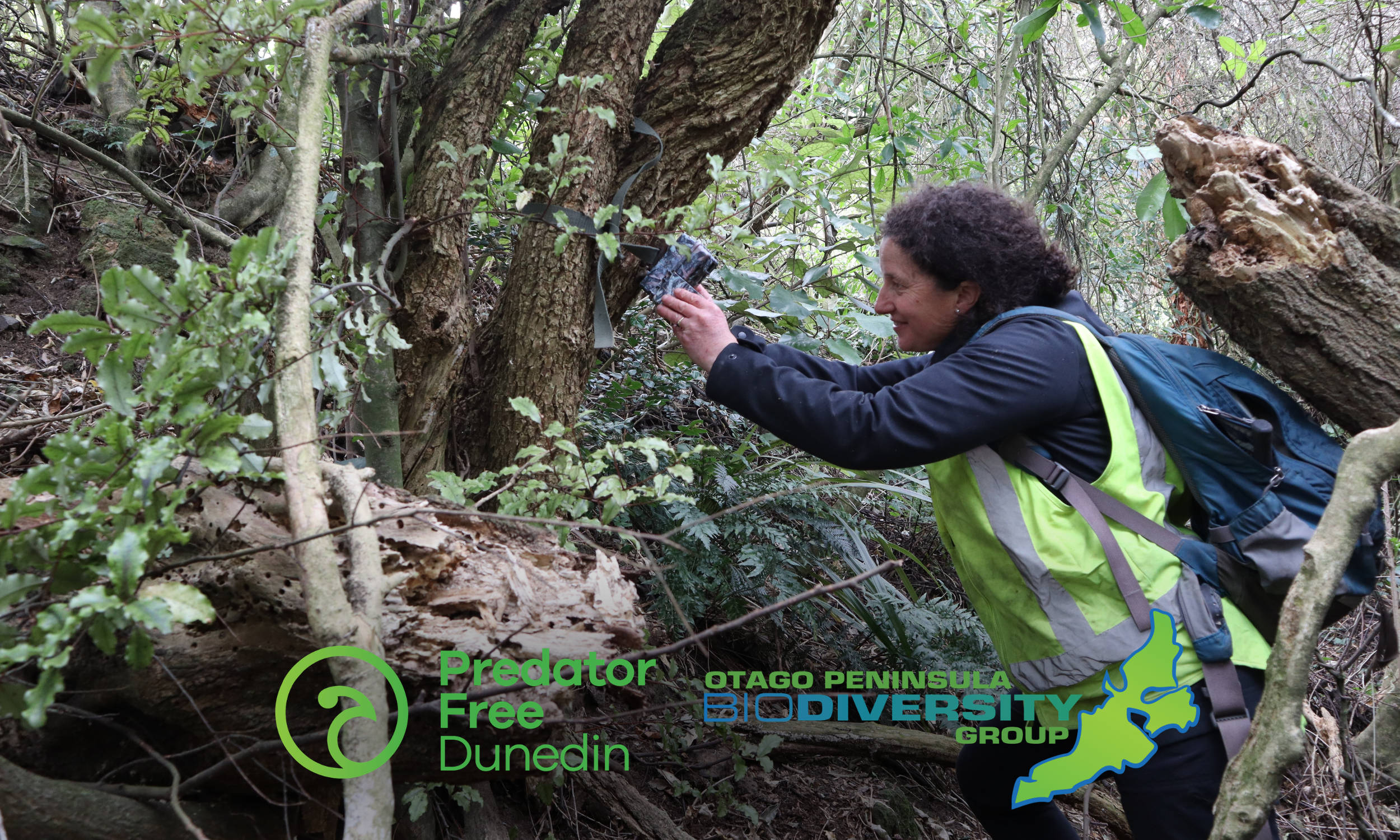
OPBG’s Paula Cross hunting one of the final possums on the peninsula.
Media Release
Wednesday 11 March 2026 – for immediate release.
Issued by Predator Free Dunedin and the Otago Peninsula Biodiversity Group.
Otago Peninsula declared possum free in world‑leading conservation first
The Otago Peninsula has been declared possum free - making it one of the first inhabited landscape-scale areas in Aotearoa / New Zealand to eliminate possums. It is a landmark win for New Zealand’s Predator Free 2050 vision and cements Ōtepoti / Dunedin’s place as the Wildlife Capital of New Zealand.
After more than fifteen years of determined community effort led by the Otago Peninsula Biodiversity Group (OPBG) and Predator Free Dunedin (PFD), the traps have fallen silent and the last possums have gone. Native forests, coastal habitats and backyards are already responding, with korimako / bellbirds, tūī and other taoka manu returning in greater numbers.
This result has only been possible thanks to sustained support from key funders and partners, including the Department of Conservation, Otago Regional Council, Dunedin City Council, Predator Free 2050 Ltd, Wenita Forest Products Ltd, City Forests Ltd and individual donors.
“This is a defining moment for conservation in Aotearoa,” says Sally Peart, Chairperson of Predator Free Dunedin. “It proves we can remove possums from a large, lived‑in landscape when communities and landowners, mana whenua, councils and national partners pull in the same direction - and the benefits for our birds, forests and people will be felt for generations.”
Built from the ground up
OPBG began community possum control on the peninsula in 2009. Volunteers, landowners and residents built trap networks, checked devices and steadily drove possum numbers down, creating the momentum for full elimination.
As the Predator Free 2050 movement grew, OPBG joined forces with PFD and its other delivery partners Halo Project and City Sanctuary. Together, they brought in additional funding, specialist staff and new technology to shift from “knock‑back” to elimination.
“The peninsula shows the power of working as one project team rather than separate programmes,” says PFD Project Lead Rhys Millar. “By sharing tools, people and knowledge, we strengthened each other’s efforts and, building upon the monumental effort of OPBG, got the job over the line.”
Smart tools, local knowledge
The final push was technically demanding. Teams combined dense camera networks, thermal drone surveillance and scat detection dogs to find the last possums in steep gullies, coastal cliffs and farmland. An evidence‑driven “proof of absence” tool then turned very low detection rates into a peninsula‑wide picture of risk and confidence, guiding where to focus surveillance.
“This work has been hard and, at times, exhausting for those on the ground,” says Rhys Millar. “But the collective commitment to see it through has been extraordinary — every person who checked a trap, allowed access to their land or reported a sighting has helped make this possible.”
What’s next
The possum‑free peninsula is already delivering visible ecological benefits and sends a powerful signal for other regions aiming for predator free status. The tools and ways of working proven here are now being carried into wider Ōtepoti / Dunedin and shared with projects around the motu.
Although possums have been eliminated, OPBG and PFD emphasise that the job is not over. Long‑term biosecurity, ongoing monitoring and rapid response will be essential to keep the peninsula possum free, alongside continued community vigilance. Residents and visitors are encouraged to report any possible possum sightings immediately at https://www.reportapossum.nz
“Technology helps us cover a lot of ground, but it’s local people who notice changes first,” says OPBG Chair Hoani Langsbury. “If you think you’ve seen a possum or signs of one, please let us know straight away - every report helps protect what we’ve achieved.”
For more information, please contact:
Predator Free Dunedin:
Rhys Millar
Project Lead
Rhys@predatorfreedunedin.org
027 387 7866
https://www.predatorfreedunedin.org/
Otago Peninsula Biodiversity Group:
Hoani Langsbury
Chairperson